9+ curated guides • Updated November 2025
Forget everything you think you know about the waist belt. It's not just for holding up trousers or accentuating a dress—it's the single most powerful architectural tool in your wardrobe. This simple accessory can manipulate proportions, create new lines, and completely redefine an outfit's silhouette, if you know the secrets. As a stylist who views every garment as a piece of wearable architecture, I see the belt not as a finishing touch, but as a foundational element. It's the support beam that creates an A-line, the keystone that defines an arch, the clean horizontal line that brings balance to a sprawling facade. Understanding its function is the difference between simply wearing clothes and truly constructing a look.
That unmistakable flash of a thousand Swarovski crystals isn't just catching the light—it's capturing a cultural moment. Before you dismiss the B.B. Simon belt as simple Y2K bling, understand this: it’s a complex symbol, speaking a secret language of status, nostalgia, and the defiant art of being seen. This isn't a mere accessory designed to hold up your jeans; it's a wearable thesis on the psychology of the 'flex.' It's a cultural barometer, tracking the pressure systems of unapologetic maximalism as they move from the epicenter of 2000s hip-hop to the ironic, nostalgia-fueled world of Gen Z's digital aesthetic. To understand this belt is to understand a specific, potent dialect of fashion communication.
We've all been there: staring at a ridiculously cheap Shein handbag, wondering if it will arrive looking like the picture or fall apart by lunchtime. But what if you could spot the hidden gems from the duds, just by scrutinizing the product page? This is the ultimate Aussie shopper's checklist for finding a Shein bag that looks and feels far more expensive than its price tag suggests. As a professional bargain hunter who has seen the best and (mostly) the worst of fast fashion, I’ve learned that navigating Shein is less about shopping and more about intelligence gathering. Let's get to work.
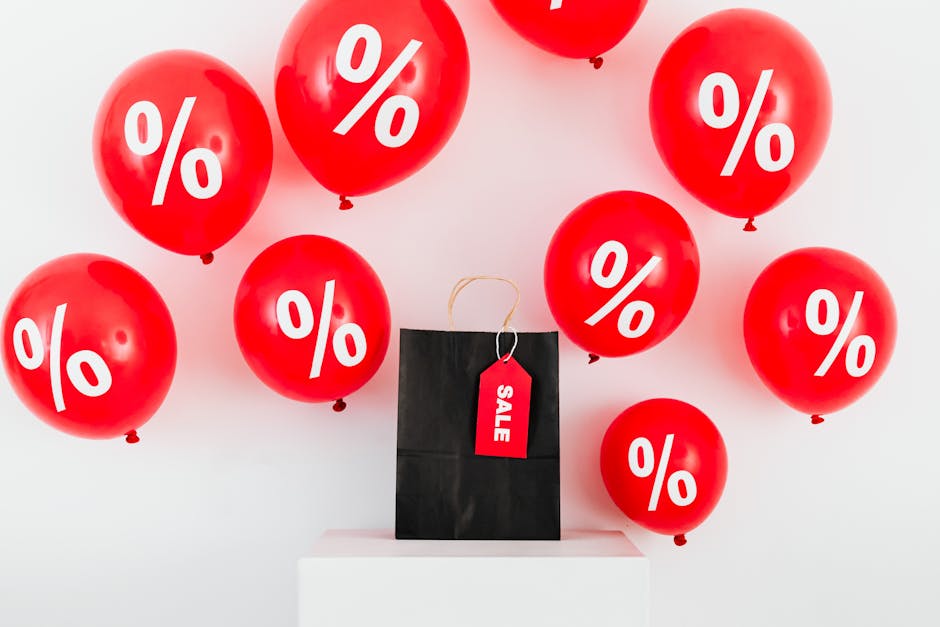
Every blog will show you the flashy doorbusters in this year's Target Black Friday ad. But the biggest wins and most expensive mistakes aren't in the bold headlines—they're hidden in the model numbers, the rebate terms, and the strategic product placement. We've dissected this year's circular to expose the retail traps and show you how to find the real value they don't want you to see. This isn't a shopping list; it's a survival guide. For years, I've watched shoppers get lured in by a siren song of savings, only to end up with a cart full of regret. Consider me your guide through the retail fog of war.
You see the banner: '75% Off Your Second Guest!' and your finger hovers over the 'Book Now' button. But hold on—is that eye-popping discount a better value than the alternative offer of free drinks, Wi-Fi, and a $300 onboard credit? This guide moves beyond the marketing hype to give you the framework for calculating the real cost and value of any Celebrity Cruises deal, ensuring your luxury vacation is also a smart investment. As a strategist, I don't see discounts; I see data points. Celebrity's promotions are a carefully orchestrated symphony of pricing psychology designed to appeal to different travel personas. My mission is to give you the conductor's baton, allowing you to see the entire composition and choose the harmony that best fits your wallet.
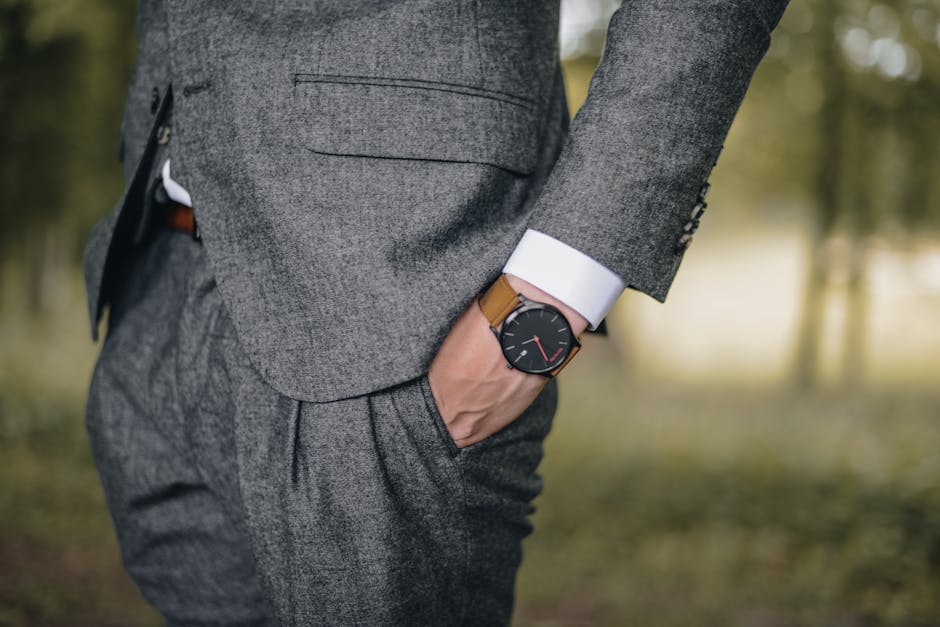
You meticulously choose a belt to match your shoes or a bracelet to complement your watch. But what if the most stylish items in your wardrobe were also the most useful in an emergency? Forget clunky tactical gear; we're uncovering a new class of fashion accessories hiding incredible, practical functions in plain sight. In my view, every piece you wear should justify its existence through both form and function. An item that only looks good is a missed opportunity. This is about transforming your everyday carry from a collection of objects into an integrated, capable system that happens to look fantastic. We're not talking about strapping a multi-tool to your wrist; we're talking about elegance with an edge. Here are nine accessories that master this philosophy.
Remember the rush for that vibrant cut-out tote or the teeny-tiny micro-bag in 2022? We all do. But now that the dust has settled, it's time to audit our closets and ask the tough questions: which of these 'it' bags are still earning their keep, and which were just a one-season wonder? As a fashion economist, I view the closet not as a collection of clothes, but as a portfolio of assets. Some appreciate, some hold steady, and some, unfortunately, depreciate faster than last season's avocado toast trend. This audit isn't about regret; it's about education. By dissecting the economic lifecycle of 2022's most-hyped handbags, we can develop a more discerning eye for future acquisitions, ensuring our style capital is invested wisely.
That 'sustainably sourced' necklace in your cart might be telling a convenient lie. In a world of clever marketing and vague green claims, shopping consciously online can feel impossible. This guide hands you the detective's toolkit to see past the greenwashing, ask the right questions, and find accessories with a story you can truly stand behind. We're moving beyond brand lists and into the realm of investigation. This isn't about finding a 'perfect' brand; it's about empowering you with the skills to assess any brand's claims, understand the nuances of their supply chain, and invest in pieces that align with your values. Consider this your official field guide to becoming a conscious consumer detective.
In an era of fleeting trends and fast fashion, we rarely consider if a new pair of socks or a scarf will outlive us. But what if a luxury accessory was designed not just for this season, but for the next generation? Maxhosa's intricate accessories challenge us to look beyond their price tag and see them for what they truly are: the beginning of a new family legacy, woven with the stories of a continent. This is not about acquiring another item for your wardrobe; it is about becoming the first custodian of an artifact. It’s a profound mental shift from consumer to curator, where a simple purchase becomes an act of cultural preservation and future storytelling.